Grasping the Role of a Real Estate Appraiser: Your Resource to Property Valuation
Real estate appraisers serve a critical function in establishing property valuations. These evaluations affect buyers, sellers, and lending institutions equally. By analyzing various factors, appraisers provide insights that guide important financial decisions. However, many remain unaware of the intricacies involved in this process. Knowing what these professionals do and their operational approach can substantially impact property exchanges. Which important variables do appraisers evaluate, and how do they assure correctness in their valuations?
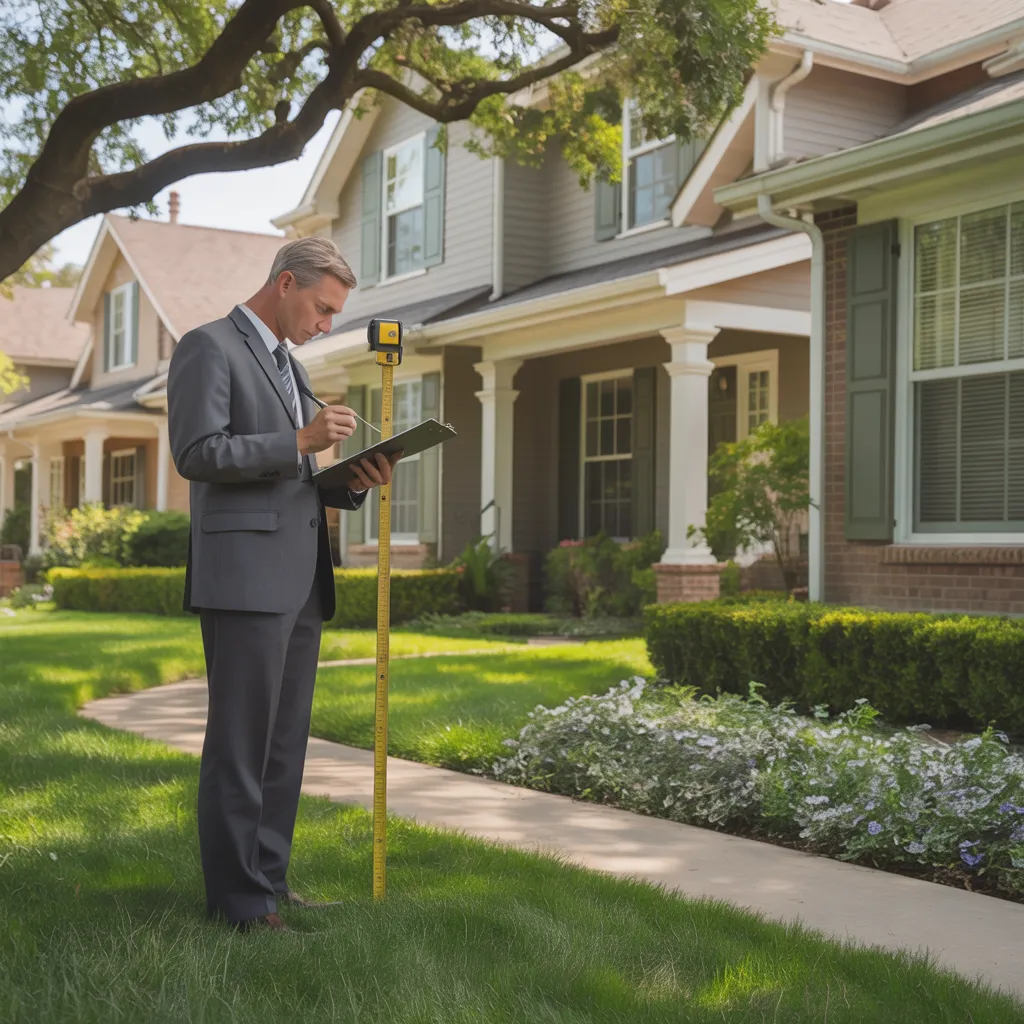
Defining the Real Estate Appraiser
An appraiser in real estate is a trained professional who evaluates the market value of properties. The job entails evaluating numerous factors, including site location, market dynamics, and property attributes. Appraisers employ standardized methods and guidelines to guarantee accurate assessments, often utilizing comparable sales data and income potential for investment properties.
They play a critical role in real estate transactions, providing objective evaluations of value that help buyers, sellers, and lenders reach informed decisions. Appraisers must possess strong analytical skills and a deep understanding of the real estate market. The majority of states require appraisers to hold specific licenses and certifications, ensuring they follow regulatory standards and ethical practices.
These evaluations, typically exhaustive and precise, serve as indispensable documents for mortgage authorizations, estate resolutions, and tax appraisals. Consequently, real estate appraisers add substantially to the integrity and functionality of the property market.
Understanding the Value of Property Assessment
Property valuation acts as a cornerstone for successful real estate transactions and investment decisions. Reliable property valuations provide essential insights into market conditions, assisting buyers and sellers determine fair prices. For lenders, appraisals establish collateral values, making certain that loans are secured adequately. Additionally, investors rely on property valuations to assess potential returns and risks, guiding their investment strategies.
Appraisals also serve an essential function in property tax assessments, affecting local government revenues. An accurate appraisal can allow property owners dispute inflated tax bills, thereby protecting their financial interests. Furthermore, understanding property value aids in effective negotiation, empowering individuals to engage with educated standpoints.
At the end of the day, property valuation plays a crucial role in fostering trust and transparency in the real estate market, allowing parties to make educated decisions founded on objective data. This fundamental aspect of real estate underscores the necessity of skilled appraisers in promoting fair and equitable transactions.
Critical Elements That Influence Real Estate Value
Multiple significant elements play a vital role in assessing property value. Geographic position and community patterns strongly impact buyer opinions, while how well-maintained it is and what features it offers can boost or lower its appeal. Furthermore, market demand and supply dynamics further shape the overall valuation in a dynamic property market environment.
Geographic Trends and Neighborhood Information
Although the state of a property has a substantial role in its appraised value, location and neighborhood trends typically hold even stronger influence. Appraisers examine several factors associated with location, including proximity to schools, public transportation, and essential services. Neighborhoods with low crime rates and excellent schools typically attract more buyers, increasing property values. Furthermore, emerging neighborhoods with new developments or revitalization efforts can indicate increasing demand, further elevating property worth. Market trends, such as rising home prices or shifts in demographics, also affect valuations. In the end, an appraiser's understanding of these location dynamics is crucial in determining a property's value, as they reflect the desirability and potential for future appreciation in the real estate market.
Property Status and Characteristics
The comprehensive state of a property along with its particular attributes substantially affect its evaluated worth. Assessment professionals thoroughly analyze both inside and outside components of a property. Elements including roof age, plumbing and electrical system quality, and appliance condition are crucial. Additionally, the presence of modern upgrades or renovations can markedly enhance value. Distinctive amenities, such as pools, energy-saving windows, or designed outdoor spaces, likewise add favorably to assessment results. On the other hand, shortcomings, such as structural problems or antiquated styles, can result in a decreased assessment. Therefore, an evaluator's appraisal encompasses a thorough investigation of property state and attributes, securing an exact depiction of its market standing.
Demand and Supply Market Forces
Supply and demand dynamics play a crucial role in setting property value, as fluctuations in these dynamics can substantially influence pricing. When demand for properties exceeds supply, prices typically rise, reflecting the competitive nature of buyers in the market. Alternatively, an oversupply of properties can bring about decreased prices, as sellers may need to lower their expectations to attract buyers. Market conditions, interest rates, and demographic trends further impact demand and supply patterns, shaping buyer behaviors and preferences. For appraisers, understanding these factors is vital for accurate property valuation. By assessing local market trends and conditions, real estate appraisers can provide insights into how changes in market dynamics affect property values, enabling stakeholders to make informed decisions.
The Appraisal Process Explained
Understanding the appraisal process is essential for both buyers and sellers, as it acts as a critical step in establishing a property's fair market value. The process usually begins with the appraiser carrying out a detailed inspection of the property, noting its condition, size, and unique features. Following the inspection, the appraiser examines comparable properties in the area, evaluating recent sales data to create a contextual framework for valuation.
Following the collection of essential data, the appraiser employs various approaches to evaluate the property, like the cost, sales comparison, and income approaches. Each technique offers insights into different aspects of property market value, providing a complete assessment. After finishing the analysis, the appraiser prepares their findings into a thorough report that is delivered to the client, providing an objective evaluation that facilitates informed decision-making. Grasping this process provides stakeholders with the knowledge to navigate real estate transactions effectively.
Various Categories of Appraisals
While various appraisal methods exist, each fulfills specific roles customized for different property types and client needs. The three primary types of appraisals include the sales comparison approach, the cost approach, and the income approach.
The sales comparison approach is commonly used for residential properties, comparing the subject property with recently sold, similar homes in the locality. The cost approach determines the value according to the cost to rebuild the property, factoring in depreciation, rendering it well-suited for newly built properties or unique properties.
The income strategy is chiefly utilized for commercial investment properties, where the appraiser assesses the earning potential and expenditures connected to the property to ascertain its market value.
Every approach offers a valuable perspective on property valuation, guaranteeing that clients receive bespoke assessments aligned with their specific objectives. Grasping these distinctions assists clients make informed decisions in their real estate transactions.
Typical Misbeliefs About Appraisers
Several individuals possess misconceptions about the purpose and responsibilities of real estate appraisers, commonly resulting in confusion about their value in the property transaction process. One widespread belief is that appraisers set property prices; in reality, they offer an objective valuation grounded in market data and property features. Another misconception is that appraisers work for sellers or buyers; however, they are commonly independent professionals who serve lenders to ensure fair lending practices. Additionally, many people assume appraisals are fast and easy; in fact, thorough appraisals demand extensive research, analysis, and time to create accurate results. Some may also consider that appraisers are biased or swayed by external factors, but reputable appraisers abide by strict ethical standards and regulations. Understanding these misconceptions is crucial for acknowledging the important role appraisers play in real estate transactions and property valuation.
How to Find the Right Appraiser for Your Needs
Picking the right appraiser necessitates careful consideration of their qualifications and experience. Additionally, understanding an appraiser's specialization and expertise in a particular property type can greatly impact the accuracy of the appraisal. Evaluating these factors ensures that clients select a professional suited to their specific needs.
Qualifications and Expertise
Picking an appraiser demands thorough consideration of their credentials and experience to guarantee accurate property valuation. Potential clients should verify that learn the details the appraiser possesses appropriate licenses and certifications, which typically include state licensure and professional memberships in organizations such as the Appraisal Institute or the American Society of Appraisers. Experience is equally essential; an appraiser's track record in the specific type of property being evaluated can substantially influence the quality of the assessment. It is advisable to ask about the number of years the appraiser has been in the field, as well as their familiarity with local market trends. In the end, a combination of solid credentials and relevant experience assures that clients receive trustworthy and precise property valuations.
Specialized Knowledge and Proficiency
An appraiser's area of expertise and specialization are vital to the property valuation process. Various property types, including residential, commercial, or industrial, demand particular knowledge and expertise. In selecting an appraiser, one must take into account their area of specialization to guarantee a thorough evaluation. As an illustration, a residential appraiser may specialize in single-family homes, while a commercial appraiser is more appropriate for multi-unit buildings and retail spaces. Moreover, appraisers may possess expertise in particular geographical areas, strengthening their understanding of local market trends. Clients should ask about the appraiser's experience with similar properties and request references to assess past performance. This tailored approach ensures that clients receive the most exact and pertinent property valuation.
FAQ
How Much Time Does an Appraisal Usually Take to Complete?
An appraisal typically takes between one to three hours on-site, depending on the property's dimensions and intricacy. The complete process, including research and report preparation, usually spans anywhere from a few days to one week.
Am I Able to Challenge an Appraisal if I Disagree With the Value?
If an individual disagrees with the value, they can challenge the appraisal. This generally means presenting extra evidence, such as comparable sales, to substantiate their position and could necessitate a formal appeal process.
What Credentials Should I Seek in an Appraiser?
In choosing an appraiser, you should consider qualifications including state certification, relevant experience, specialized training, and membership in professional organizations. These elements contribute to the appraiser's credibility and accuracy in property valuation.
How Are Appraisers Compensated for Their Work?
Appraisers typically earn their income from fees charged for appraisal services, which can vary based on property type, complexity, and local market conditions. Payment is normally obtained following the completion of the appraisal documentation.
Can Appraisals Directly Impact Property Taxes?
Property taxes can be directly impacted by appraisals. Local governments often use appraised values to determine tax assessments, resulting in the fact that elevated appraisals can result in higher property taxes, while decreased appraisals may lead to lower property taxes.